Fresh Salsa

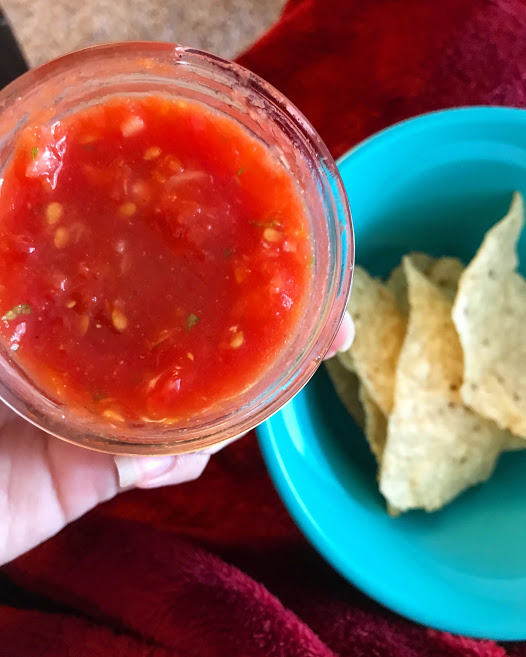
I love this fresh salsa recipe, very similar to the restaurant Chili’s salsa. This salsa is very to easy to make with items from the grocery store or items fresh from your own garden!

Ingredients:

  • 14 oz. of diced tomatoes
  • 1 large peeled whole tomato
  • 1/4 c of onion
  • 1 Jalapeno
  • 1 tsp of minced garlic
  • 1 tbs of green onion
  • 1 to 2 T of fresh cilantro
  • 1 tsp of sea salt
  • 1 tsp of cumin
  • 1 tsp chili powder
  • 1 T of lime juice
  • 1/4 tsp of sugar

When I made this recipe I took a couple of large tomatoes and blanched them myself and diced them up for this recipe. In my opinion, cilantro is KEY to this recipe.

Once I had everything chopped up and mixed together, I poured it into my blender. Mix well together, but don’t puree it, you still want some chunks in there.

Chill for at least 2 hrs before serving.

Make sure to check out my Instagram and follow my blog to receive notifications on my new posts!

My Instagram

Growing Vegetables: Your Zone Doesn’t Matter

Plant Hardiness Zone Map

I live in zone 6a, but as you can see in the map above, zone 6a stretches from the west coast to the east coast. These areas are vastly different from each other. Indiana’s climate is much different than Arizona, but both states have 6a hardiness zones. The plant map you see above, refers solely on the average winter low temperature in your area. If you’re growing annual vegetables, this isn’t nearly as important as how long your growing season is.

If I don’t look at zone what do I look at?

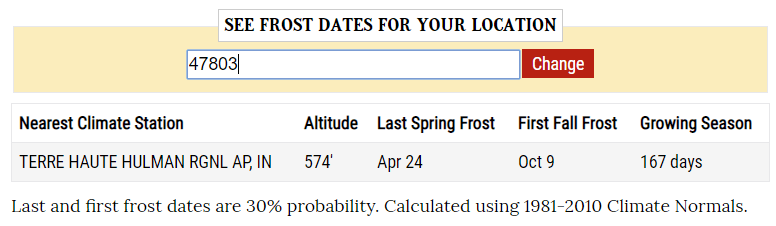
I like to refer to Farmer’s Almanac. Simply input your zip code then it will tell you your estimated first and last frost dates.

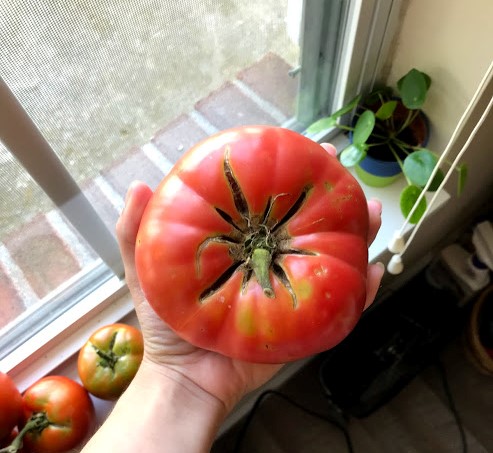
As you can see my growing season is 167 days long. I have a fairly long growing season. Large tomatoes can take about 3 to 4 months to start producing any fruit (around 120 days to start producing). This means not every area has a long enough growing season to grow tomatoes outdoors. If you want to know if you have enough time in your season to grow a vegetable: look up that plant, see how long it takes to grow, and compare it to how long your season is.

What is the plant hardiness map for?

The map above simply refers to perennial plants like flowers, shrubs, and trees. In order for those plants to come back in the spring, they must be able to survive the lowest winter temperature in your zone.

Heirloom Tomato Varieties I’m Growing this Season

This year I am growing plants for myself and for some of my family. I will be limited on my growing space this year. I opted for practical varieties, like ones that would be good for sauces and eating raw, but I also wanted some that had a wow factor.

Here is my list of varieties that I have chosen and some research I found on each one.

Slicers: for sandwiches and eating raw

  1. Abe Lincoln – Classic tomato, good acidity. Amazing in tomato sauce, paste, or even home-made ketchup.
  2. Amana Orange – Light-orange, irregular shaped (fluted) heirloom tomatoes that can grow to 2 pounds or more, with an average diameter of 5 inches. Excellent sweet, almost tropical fruit flavors.
  3. Black Beauty – Striking blue-black skin and very meaty, deep-red flesh. Intensely tomato-y, smooth and savory taste, with earthy tones. Perfect for sandwiches, slicing, garnish and cooking and market sales. Averaging about 6 ounces. 80 days to maturity. Bred by Brad Gates at Wild Boar Farms.
  4. Cherokee Purple – Productive plants producing loads of 12 oz.-1 lb. An old Cherokee Indian heirloom, pre-1890 variety; beautiful, deep, dusky purple-pink color, superb sweet flavor, and very-large-sized fruit.
  5. Delicious – Plant produces good yields of 1 to 2 lb scarlet red beefsteak tomatoes. It has the rich old-fashioned tomato flavor. Perfect for sandwiches, salads, slicing, tomato juice, and canning. This tomato held the Guinness World Record as largest tomato ever grown at 7.75 pounds.
  6. Old German – Yields moderate crops of 1-2 lb. beautiful yellow tomatoes with red mottling and striping on the outside and throughout the flesh. Deliciously sweet and well-balanced fruity flavors.
  7. Rumpelstiltskin -Fairly new open pollinated variety. This dwarf plant was bred by Blane Horton. Produces medium 4-6 oz beefsteak, flat yellow tomatoes.
  8. Siberian -Siberian produces tomatoes with ripening as early as 55 days. Fruits grow to 3-5oz. Unlike most tomatoes this variety sets fruits in cool weather, even at just a few degrees above freezing. 
  9. Thorburns Terra Cotta – First released in 1893 by James Thorburn. “With honey-brown skin, orange-pink flesh, and green seed mass” (Baker Creek). Comes from Dr. William Woys Weaver’s seed collection. Flavor is said to be outstanding.

Cherry: for salads and snacking

  1. Dancing with Smurfs – Purple vines, round, red with strong blue cap. A true blue cherry tomato variety with small fruits that ripen to a deep purple-blue in sunlight. Nice cherry tomato flavor, good production. Dusky blue-green stems and foliage.
  2. Fruit Punch – The flavor is both sweet and fruity.

Paste: for sauces and storing

  1. Amish Paste Yields tons of medium sized perfectly red tomatoes weighing around 2-3 oz each. The tomatoes are acidic making them great for pasta sauce, tomato paste, ketchup, and canning.
  2. San Marzano – Each plant produces medium 3-5 ounce tomatoes. Flavor is acidic; making it great for canning, tomato paste, pizza sauce, pasta sauce, and even fresh eating in salads! Gourmet and home chefs seek out the San Marzano for its amazing flavor and perfect texture.
  3. Opalka – Red, paste tomatoes with 5-inch long fruit shaped like a banana pepper with a pronounced tip on the bottom. Fruit has very few seeds, is extremely meaty and loaded with rich sweet flavors lending to its sauce appeal.

*I will be doing a review over which paste tomato I prefer at the end of the season!*

How to Acclimate Seedlings

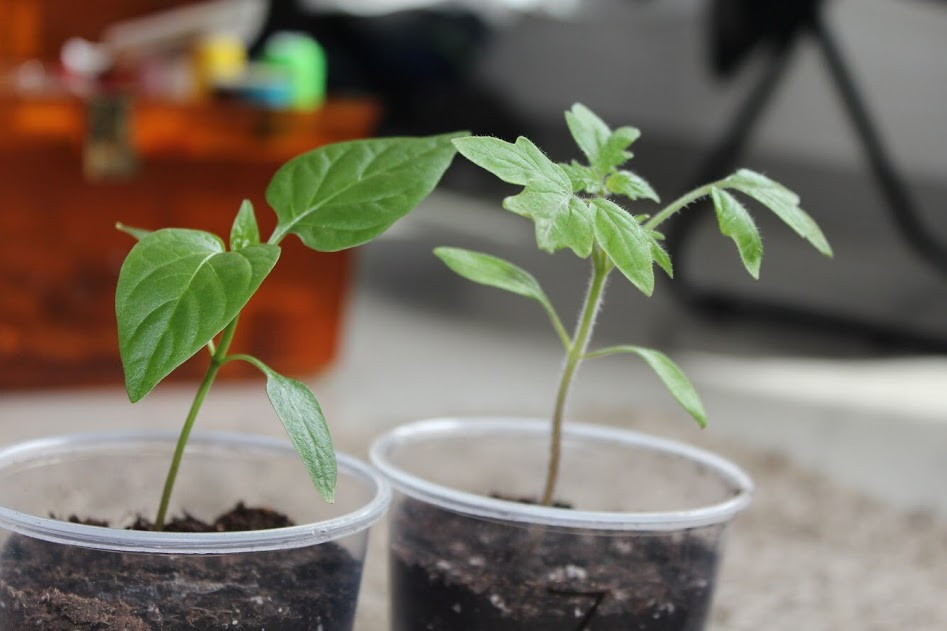
Before your plants can live outside full time they must be acclimated. Acclimating or “hardening off” your plants means that your plants need to adjust to your outside environment. It seems kind of tedious, but it’s the difference between having dead plants and thriving plants. Once the daytime temperatures are in the 60’s, it’s time to be begin acclimating your plants.

Acclimation takes about 1 week. In a shady, protected spot put your plants outside, in the afternoon before the sun goes down. Start by keeping them outside for about 3 hours. Then bring them back inside. The next day put them outside for another 1-2 hours. After about 2 or 3 days, start by putting them out in the morning sun, in a less protected area. Possibly in the area that you plan on planting them in.

Design a site like this with WordPress.com
Get started